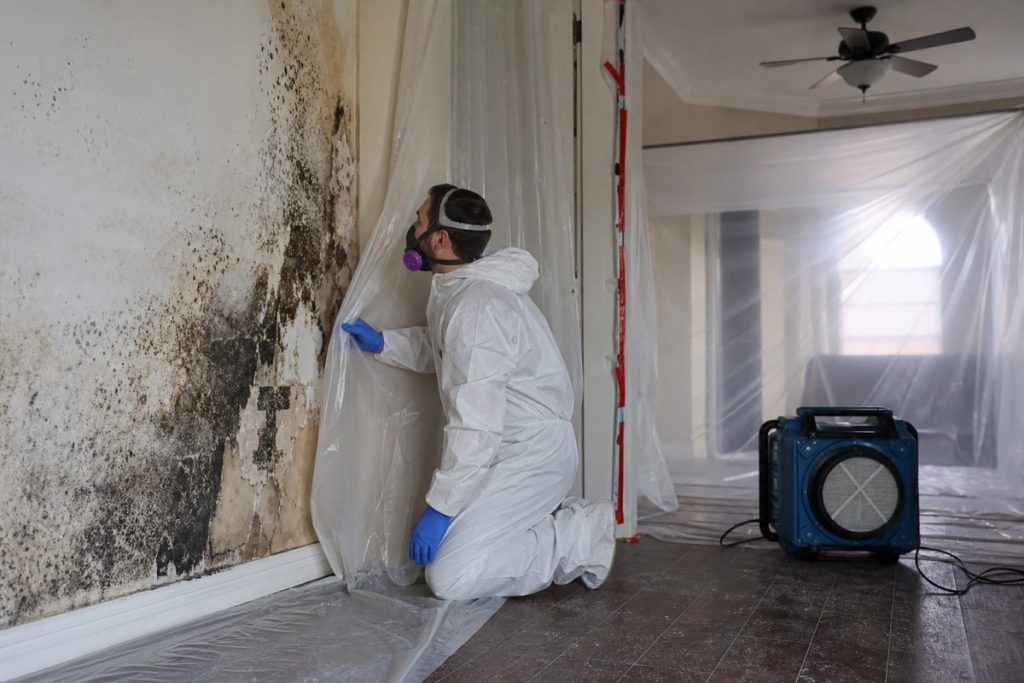
Mold in a house is a real health concern when it’s actively growing indoors and people are breathing in what it releases. That’s especially true for anyone with asthma, mold allergies, a weakened immune system or chronic lung disease. A small spot on shower caulk is common and easy to clean. Growth spreading across drywall, ceilings or carpet after a leak or flood is something to deal with promptly. The CDC and EPA agree on the basic rule: whatever the type, remove indoor mold growth and fix the moisture that feeds it.
What mold can do to your health
According to the CDC, exposure to damp, moldy environments can cause:
- stuffy nose, sore throat and coughing;
- wheezing, and asthma flare-ups in people with asthma;
- burning eyes or a skin rash;
- more severe reactions in people who are allergic to mold. The CDC notes that fever and shortness of breath have been reported in workers exposed to large amounts of mold on the job.
The EPA notes that allergic and irritant reactions are the most common effects, and they can show up right away or later. People with weakened immune systems or chronic lung disease can develop lung infections from some molds. A common pattern is symptoms that ease when you leave the house for a few days and come back when you return.
What the evidence doesn’t support is the idea that a particular “toxic black mold” causes unique illnesses. The CDC says reports linking toxic indoor molds to rare conditions like pulmonary hemorrhage or memory loss are few and a causal link hasn’t been proven. (More in black mold vs. regular mold.)
Who should be most careful
- People with asthma or mold allergies.
- People with chronic lung disease.
- People with weakened immune systems.
- Infants and older adults, whose lungs and immune systems may be more vulnerable.
If anyone in these groups lives in the home, don’t have them do the cleanup, and keep them out of the work area. If someone has symptoms you think are related to mold, talk to a doctor. Testing the house won’t diagnose a person.
How much mold is too much?
There’s no federal limit for indoor mold, and the EPA says sampling usually isn’t needed when mold is visible. These practical thresholds are more useful:
| What you see | What it usually means |
|---|---|
| Small spots on grout, caulk or a window sill | Surface condensation or humidity. Clean it and improve ventilation. |
| Growth under about 10 sq ft on a cleanable surface | The EPA says a homeowner can usually handle it with proper protection. |
| Growth over 10 sq ft, on drywall, or returning after cleaning | A moisture source is feeding it. Get a professional assessment. |
| A musty smell but no visible mold | Possible hidden growth in a wall, under flooring or in the HVAC. |
| Anything after a flood or sewage backup | Treat it as a professional job. Contaminated porous materials need to come out. |
In Texas, if you hire someone for mold covering 25 contiguous square feet or more, the work requires a TDLR-licensed mold assessor to write the protocol and a separately licensed remediation contractor to do the removal.
Why Houston homes are prone to mold
Houston’s long humid season, roof and AC condensate leaks, slab and supply-line leaks, and flooding all keep building materials damp. The EPA advises drying water-damaged materials within 24–48 hours to prevent mold growth, and recommends keeping indoor humidity below 60%, ideally 30–50%. Ceiling stains under an attic air handler, musty bathroom vanities and baseboards along a wall that once got wet are common Houston trouble spots. (See how to find a hidden water leak.)
What to do about it
- Fix the water first. Mold that’s cleaned without fixing the moisture comes back.
- Small, hard-surface areas: wear gloves, goggles and an N95 respirator. Scrub with detergent and water, or with a bleach solution of no more than 1 cup per gallon (never mixed with ammonia), and dry the area completely.
- Porous materials like drywall, ceiling tile, carpet and insulation usually need to be removed when they’re moldy.
- Don’t paint over mold or seal it behind new materials.
- Larger, hidden or recurring growth: start with a licensed mold assessment, then professional mold remediation with containment so spores don’t spread to the rest of the house.
Worried about mold in your home? Call (713) 422-2550 and we’ll connect you with an independent local company. Ask for its Texas TDLR mold license before work starts.
Frequently asked questions
Can mold in my house make me sick?
It can. Common effects are a stuffy nose, sore throat, coughing, wheezing, burning eyes and skin rash, and asthma can flare. People with weakened immune systems or chronic lung disease can get lung infections from some molds.
Is it safe to sleep in a house with mold?
For most healthy people, a small amount of surface mold isn’t an emergency. With widespread growth, or if someone in the home has asthma, allergies or a weakened immune system, it’s sensible to limit exposure until the mold is removed and the moisture fixed.
Should I test my house for mold?
Usually not if you can see it. The CDC doesn’t recommend routine testing because all indoor mold should be removed regardless of type. Testing helps when you suspect hidden mold or need clearance documentation.
How much mold can I clean myself?
The EPA says homeowners can generally handle areas smaller than about 10 square feet, with gloves, goggles and an N95 respirator. Larger areas, or anything after a flood or sewage backup, call for professional help.
What humidity prevents mold?
The EPA recommends keeping indoor humidity below 60%, ideally between 30% and 50%. In Houston that usually means running the AC and sometimes a dehumidifier.
Sources: CDC: About mold · EPA: Mold, Moisture and Your Home · TDLR: Mold program
Water damage in your home right now?
Don't wait for it to spread. Call and we'll connect you with an available local company.
Call (713) 422-2550More Houston water damage guides
Water spreading right now? Don't wait.
Every hour costs you more in damage. Call now and we'll connect you with a local crew.