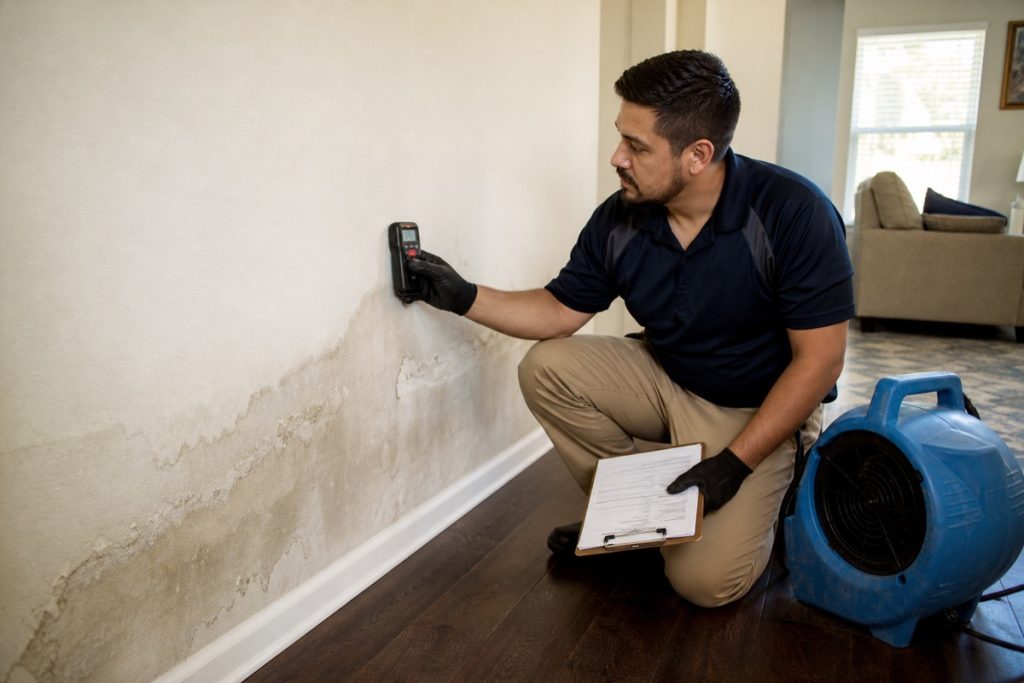
If you’re reading this with a wet floor behind you, here’s the honest answer up front: how much water damage restoration costs in Houston depends on how much water there was, how far it spread, what it soaked into, and how long it sat before someone started drying it. A small, fast-caught leak in a tiled bathroom might be a few hundred dollars. A whole first floor that sat wet over a weekend can run into five figures once repairs are done.
That range is frustrating when you just want a number — so instead of a made-up figure, this guide shows you the five things that actually move the price. Once you understand those, you can look at your own situation and get a realistic idea of where it lands, and you’ll know whether a quote you’re handed is fair.
The five things that decide your bill
1. The category of water. This is the biggest single factor, and most homeowners don’t know it exists.
- Clean water — from a supply line, a faucet, or rainwater — is the cheapest to handle. It’s not a health risk, so it’s mostly extraction and drying.
- Gray water — from a dishwasher, washing machine, or a clean toilet bowl overflow — carries some contamination and needs disinfection.
- Black water — sewage, or floodwater that came in from outside — is a biohazard. It requires protective equipment, disposal of anything porous it touched, and heavy disinfection. This is the most expensive category by a wide margin.
The same amount of water costs very differently depending on which of these it is. A clean burst-pipe soak is a different job from a sewage backup of the same size.
2. How much area got wet. One bathroom is a small job. A kitchen plus the living room plus the hallway is a big one. Restoration is priced largely by the affected square footage — how much floor, wall, and structure has to be dried and, if needed, removed and rebuilt.
3. What materials the water reached. Water is picky about what it ruins:
- Tile and sealed concrete usually dry and survive.
- Carpet and pad often can’t be saved once soaked, especially with gray or black water — they come out.
- Drywall wicks water upward; the wet portion (often the bottom 12–24 inches) typically gets cut out and replaced.
- Hardwood is the expensive one. It cups and warps, and saving it takes specialized drying — sometimes it still has to be replaced.
- Cabinets and insulation that stayed wet usually can’t be salvaged.
4. How long it sat. This is the factor you can actually control, and it matters more than people think. Water caught in the first few hours is a cleanup job. Water that sat for two or three days is a cleanup job plus mold remediation plus more rebuild, because it had time to spread into walls and start growing. In Houston’s humidity, that mold clock runs fast. Delay is the most expensive choice you can make.
5. The repairs after drying. Restoration is really two phases: getting the home dry, then putting it back together. Drying is equipment and labor over a few days. Repair is drywall, flooring, paint, trim, and sometimes cabinetry — and depending on how much came out, this can be the bigger half of the bill.
Where the money actually goes
When you see a restoration estimate, most of it falls into a few buckets: the daily rental of drying equipment (commercial air movers and dehumidifiers that run for several days), labor for extraction and setup, disposal of unsalvageable materials, and then the repair/rebuild. The drying phase is why fast response saves money — every extra day the structure stays wet is more equipment time, more materials to replace, and a higher chance of mold.
What insurance usually covers in Texas
Here’s the part that changes your out-of-pocket number the most. In Texas, sudden and accidental water damage is typically covered by a standard homeowners policy — a burst pipe, a failed water heater, a washing-machine hose that let go, or a storm-driven roof leak. What’s usually not covered: flooding from outside (rising water needs separate flood insurance — a real gap in Houston, where a lot of damage is flood, not plumbing) and gradual leaks you “should have caught,” which get denied as maintenance.
Whether a claim gets paid often comes down to documentation. Moisture readings, photos, a written scope, and a line-item estimate are what an adjuster wants to see — which is exactly why having a crew document the loss properly protects your wallet, not just your home. (More on this in our guide to whether homeowners insurance covers water damage in Texas.)
How to avoid overpaying
You don’t beat the price by haggling — you beat it by understanding the job:
- Get the scope in writing before work starts. What’s being removed, what’s being dried in place, and why.
- Ask what decides when drying is done. The answer should be moisture readings back to normal, not “a few days” or a guess. Equipment left running longer than needed is wasted money; pulled too early invites mold.
- Make sure the estimate is itemized. A single lump sum hides things. Line items let you and your insurer see what you’re paying for.
- Act fast. This is the biggest lever. The homeowners with the smallest bills aren’t lucky — they got water out and drying started before it soaked in and spread.
So what will it cost you?
Run your situation through the five factors: clean water, small area, tile floor, caught in an hour → low end. Black water, large area, soaked drywall and hardwood, sat two days → high end, plus mold work. Most real jobs sit somewhere in between, and a proper on-site inspection — where someone actually measures the moisture and sees what got wet — is the only way to turn “it depends” into a real number.
If you want that number for your home, a Houston crew can inspect it and give you a written scope, usually the same day.
Water damage right now? Don’t let it sit — the bill grows by the hour. Call (713) 422-2550 for a free inspection. See also: Water Damage Cleanup and Water Damage Repair.
Frequently asked questions
Is water damage restoration covered by insurance in Texas?
Usually, if the cause was sudden and accidental (burst pipe, appliance failure, storm roof leak). Outside flooding needs separate flood insurance, and gradual leaks are often denied.
Does homeowners insurance pay for mold?
Sometimes — when the mold resulted from a covered water event that was handled promptly. Mold from a long-ignored leak is typically denied.
How can I lower the cost?
Act fast (less time wet = less to replace), get an itemized written scope before work begins, and make sure moisture readings — not guesses — decide when drying stops.
How long does the drying process take?
Typically a few days of equipment running, depending on how much got wet and what materials are involved. Repairs come after and add time.
Water damage in your home right now?
Don't wait for it to spread. Talk to a Houston crew, 24/7.
Call (713) 422-2550More Houston water damage guides
Water spreading right now? Don't wait.
Every hour costs you more in damage. Call now and get a Houston crew moving.